Navigating the IT Job Market in Germany: Insights for 2026
By Patryk Domasik · Created with AI assistance
Introduction: Current State of the IT Market
Germany continues to assert its position as a leading hub for technology and innovation in Europe. With a strong industrial base and a commitment to digital transformation, the demand for IT professionals remains high. As of 2026, the country faces a significant tech talent shortage, with over 109,000 unfilled positions, according to Bitkom. This shortage spans across various tech roles, emphasizing the need for skilled professionals in software development, cloud engineering, and AI.
Key Highlights
- Unemployment Rate: Expected to stabilize around 3.6% by Q4 2025.
- Top Sectors: IT, healthcare, and green energy are leading in job creation.
- Tech Talent Gap: Over 137,000 open IT roles highlight the demand for skilled professionals.
Top In-Demand Skills and Technologies
The tech landscape in Germany is rapidly evolving, with several skills and technologies seeing heightened demand:
- Software Development: Full-stack developers proficient in React, Node.js, Python, and Java are highly sought after.
- Cloud Computing: Expertise in AWS, Azure, and Google Cloud is crucial as companies continue to migrate to the cloud.
- Cybersecurity: With increasing digital threats, cybersecurity specialists are indispensable.
- AI and Machine Learning: AI specialists are gaining traction, though IT roles remain more abundant and stable.
Actionable Insights
- Agile and DevOps Practices: Familiarity with Agile methodologies and DevOps culture is increasingly valued.
- Language Proficiency: While English suffices in many tech roles, a B1–B2 level of German can enhance workplace integration.
Salary Ranges and Compensation Trends
Germany offers competitive salaries for tech professionals, though regional differences are notable. Here's a breakdown:
- Entry-Level (0-2 years): €45,000 - €55,000
- Mid-Level (2-5 years): €55,000 - €75,000
- Senior-Level (5+ years): €75,000 - €100,000
- Lead/Staff Positions: €95,000 - €130,000+
Regional Salary Insights
- Berlin: Offers competitive salaries with a median total compensation of €90,601.
- Munich: Known for higher costs, with median compensation around €78,876.
- Hamburg: Median salaries hover around €52,000, reflecting its status as a major tech hub.
Major Tech Hubs and Remote Work Opportunities
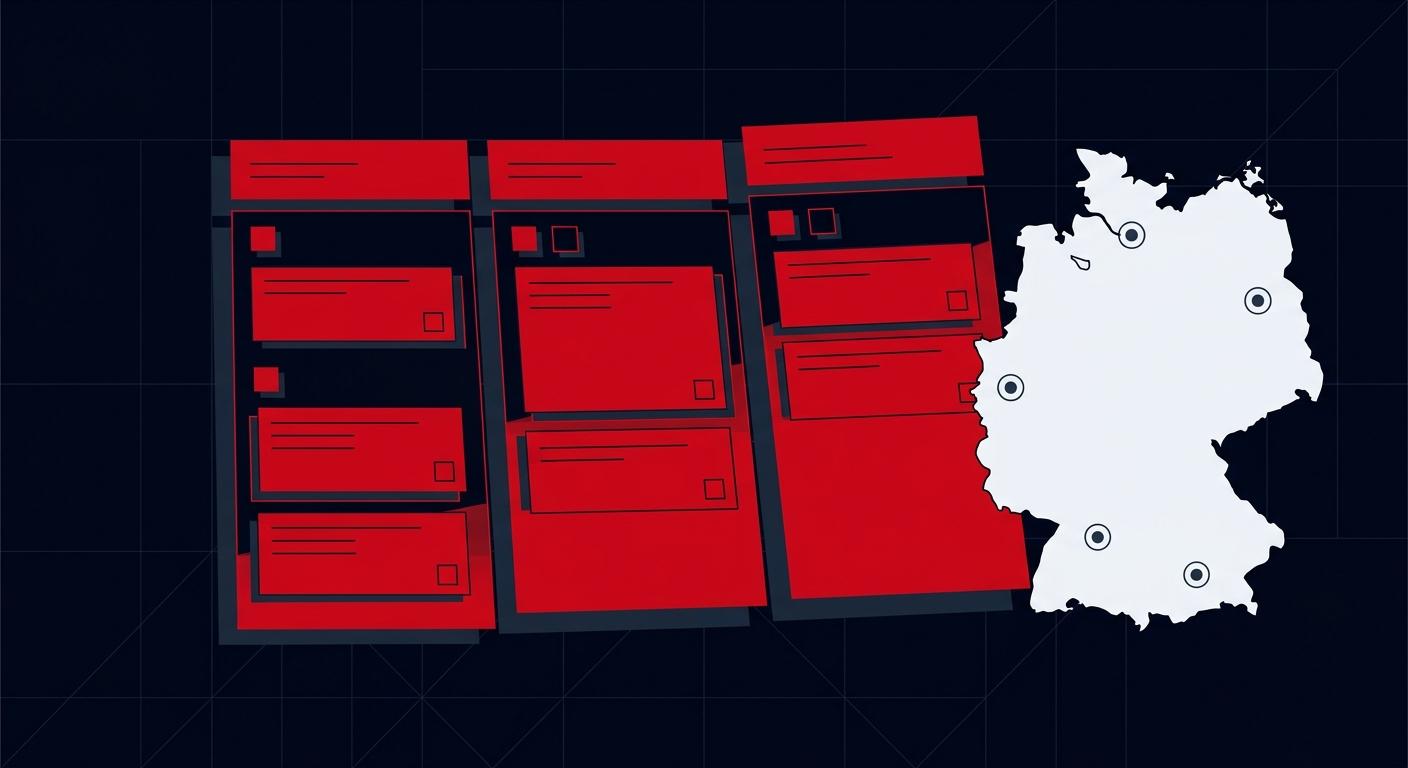
Germany's tech industry is concentrated in several key regions, each with unique opportunities:
- Berlin: A vibrant startup ecosystem with numerous English-friendly roles.
- Munich: High salaries and a robust engineering sector, though proficiency in German is often required.
- Hamburg: A hub for logistics and trade, with mixed English-language opportunities.
Remote Work Trends
- The normalization of remote work is evident, with many tech roles offering full or partial remote options.
- Berlin and Munich lead in remote job offerings, particularly in tech and startup sectors.
Tips for Job Seekers in Germany
Navigating the German job market can be challenging but rewarding. Here are some tips for aspiring IT professionals:
- Leverage Language Skills: While many roles are English-friendly, learning German can enhance cultural integration and job prospects.
- Focus on In-Demand Skills: Stay updated with the latest technologies and frameworks, such as cloud platforms and AI tools.
- Explore Regional Opportunities: Consider the regional variations in job opportunities and salaries to find the best fit.
- Utilize Visa Pathways: Programs like the EU Blue Card facilitate work opportunities for international graduates.
Outlook and Future Trends
Looking ahead, Germany's IT job market is poised for growth, albeit with challenges. The tech talent gap is expected to persist as the country continues to integrate AI and Industry 4.0 technologies. Employers are increasingly turning to international talent to fill roles, making Germany an attractive destination for tech professionals globally.
Future Predictions
- Increased AI Integration: AI roles will grow, demanding more technical expertise and offering higher salaries.
- Continued Remote Work Adoption: The flexibility of remote work will remain a key factor in job satisfaction and recruitment.
In conclusion, Germany's IT job market in 2026 offers exciting opportunities for tech professionals. By understanding the current trends and preparing accordingly, job seekers can position themselves for success in this dynamic landscape.